In the motorcycle world, it’s common to see highly talented designers or seasoned enthusiasts founding their own independent brands. They understand aesthetics and users, have a hundred brilliant ideas that could disrupt the industry in their heads, and may have even drawn up perfect engineering blueprints.
But when they actually prepare to turn their ideas into showroom-ready stock, without exception they hit a wall called “vehicle manufacturing.”
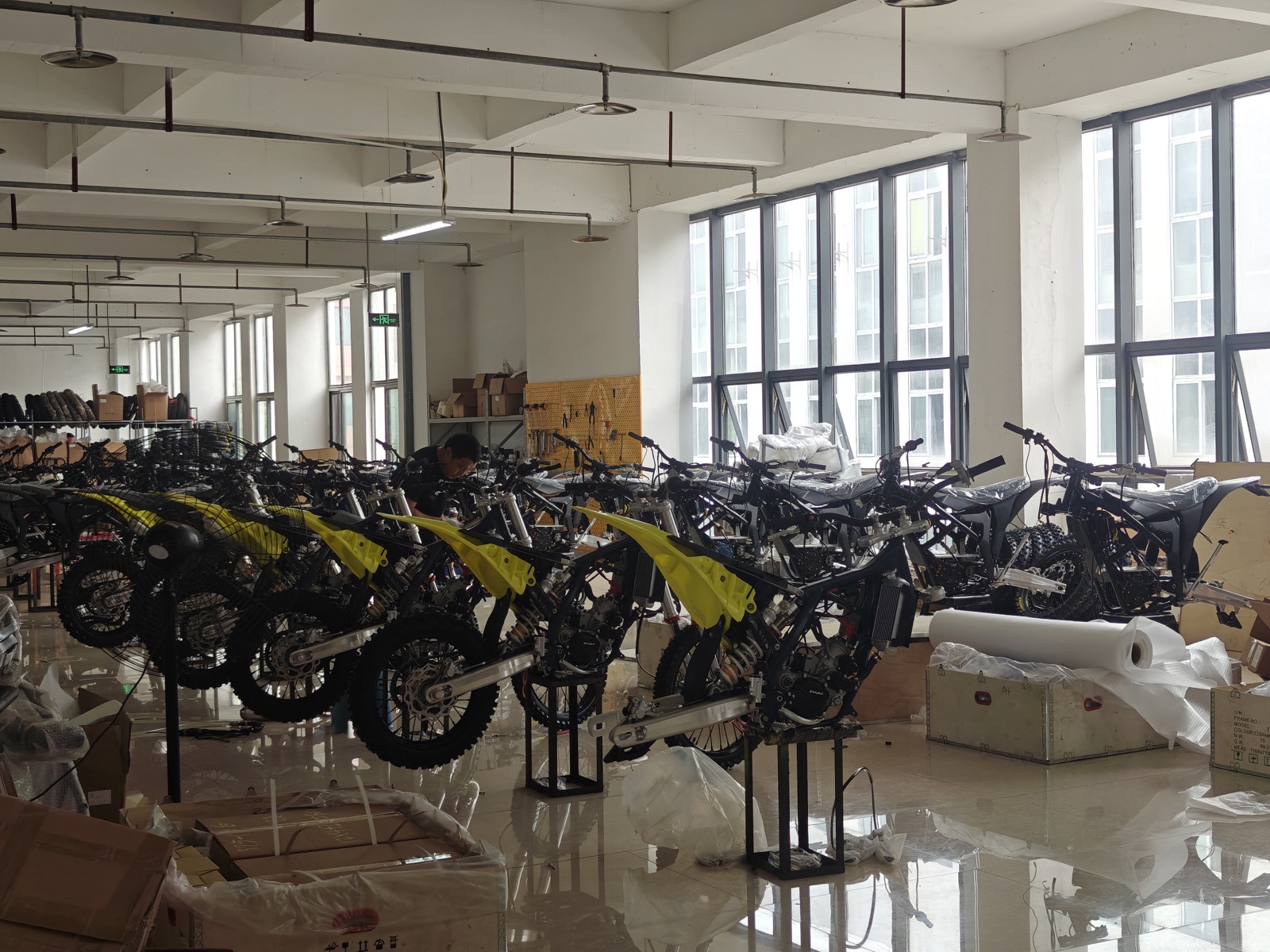
Build a factory? Buying equipment, hiring workers, and running the supply chain means heavy asset investment often in the tens of millions—simply not something a startup team can afford. Find a contract manufacturer? The vast majority of traditional factories are only willing to do assembly and badging of “open-mold bikes.” Once your drawings require changes to the underlying frame or a custom battery, they immediately quote sky-high tooling fees or simply set the minimum order quantity at 500 units or more, which directly scares you off.
How exactly can independent brands survive and cross this threshold? In fact, there is only one core logic: abandon heavy-asset factory building and find a source factory with “deep ODM capability” to be your underlying partner.
Drawing on the collaboration model of Chongqing off-road brand TAIMUMOTO, let’s break down the four hurdles that must be cleared along the way.
Hurdle One: From “Armchair Theorizing” to “Engineering Execution”
The pain point for independent brands is “having ideas but no data.” How thick should the frame tube walls be? Where are the load points on the suspension linkage? How should the air-fuel ratio of the EFI system be calibrated? These can’t be drawn on paper; they depend on years of engineering accumulation.
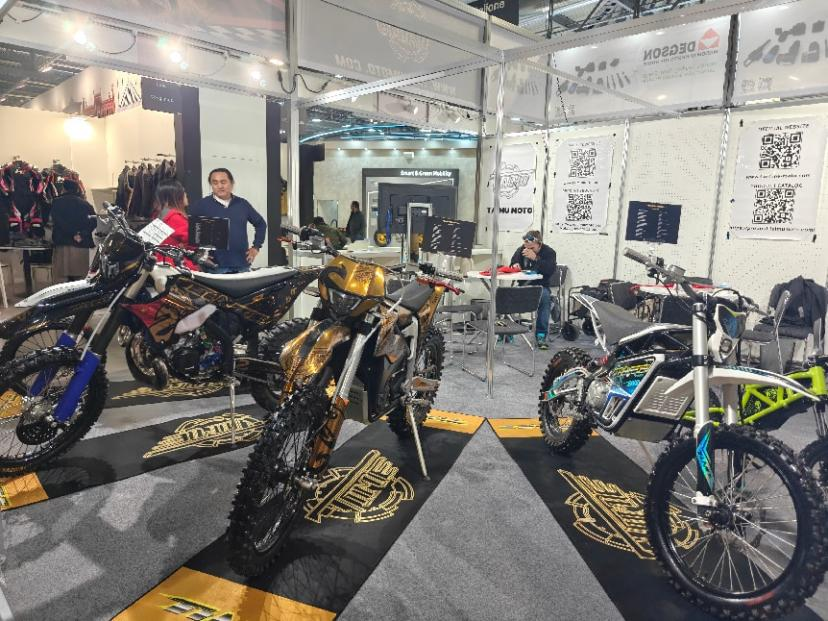
Going to a factory that only knows how to assemble an assembly line is useless—they can’t read drawings. You need a source like TAIMU that has “forward development” capability. Founder Shi Jian spent tens of millions over three years relentlessly building a chassis database, and the team is fully capable of handling customers’ deep customization. If you want to change frame geometry, engineers will directly run force analysis for you; if you want to adjust power output, the underlying electronic control system will be opened up for you to rewrite directly. Translating drawings into real vehicles in the physical world is the first step toward mass production.
Hurdle Two: The Most Lethal—”Custom Battery Compliance”
If the independent brand is making electric off-road bikes, the difficulty rises exponentially. Once the shape and capacity of the battery pack are changed, all previous transport and market-access certifications become void.
This is a hidden reef in the industry. Traditional big factories find it troublesome and are unwilling to submit small-batch custom packs for separate testing; small workshops simply don’t know how to do it. The result is that the bike is built but gets stuck at customs because it lacks a UN38.3 report. TAIMU’s way of breaking through is “compliance up front”: even for the few dozen custom battery PACKs made for a new brand’s first order, the factory will still submit them separately to a third-party lab for a full set of tests and issue reports. Only by fighting compliance to the end can you ensure your bikes board the ship smoothly.
Hurdle Three: Don’t Let Tooling Fees and Inventory Crush Your Cash Flow
Startup brands fear inventory buildup most. Traditional contract manufacturing often requires hundreds of units per model as a minimum order, and the cash flow chain snaps instantly.
TAIMU’s solution is a “flexible supply chain.” First, it supports small-batch prototype trial production—take the prototype to local rough roads, jump it off slopes, test it, feed real defects back, and then modify the tooling; second, during mass production, newly developed custom bikes can be mixed with standard models in a single container shipment. With the lowest capital cost, put a brand-new idea into the market to test the waters, and scale up once it works.
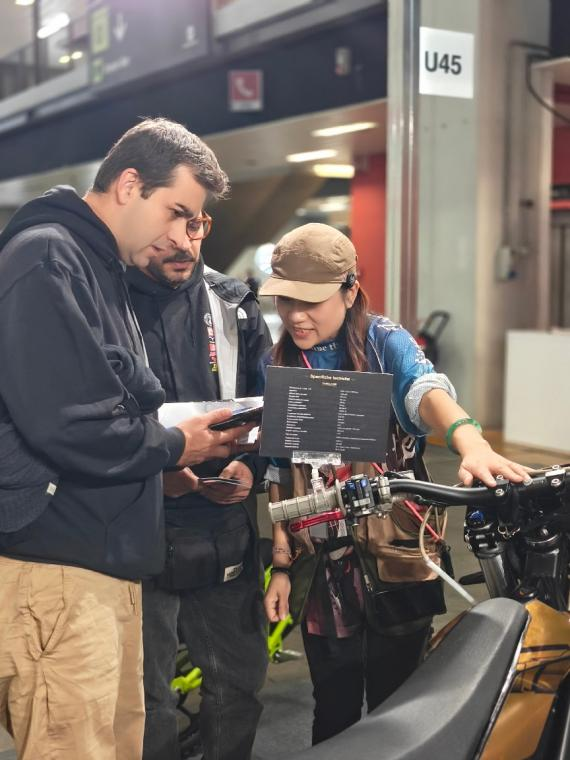
Hurdle Four: Brand Disaster Caused by Out-of-Control Quality
Contract factories cut corners to save costs, leading to frame cracks and leaking shocks—and in the end it’s the independent brand’s own reputation that gets damaged.
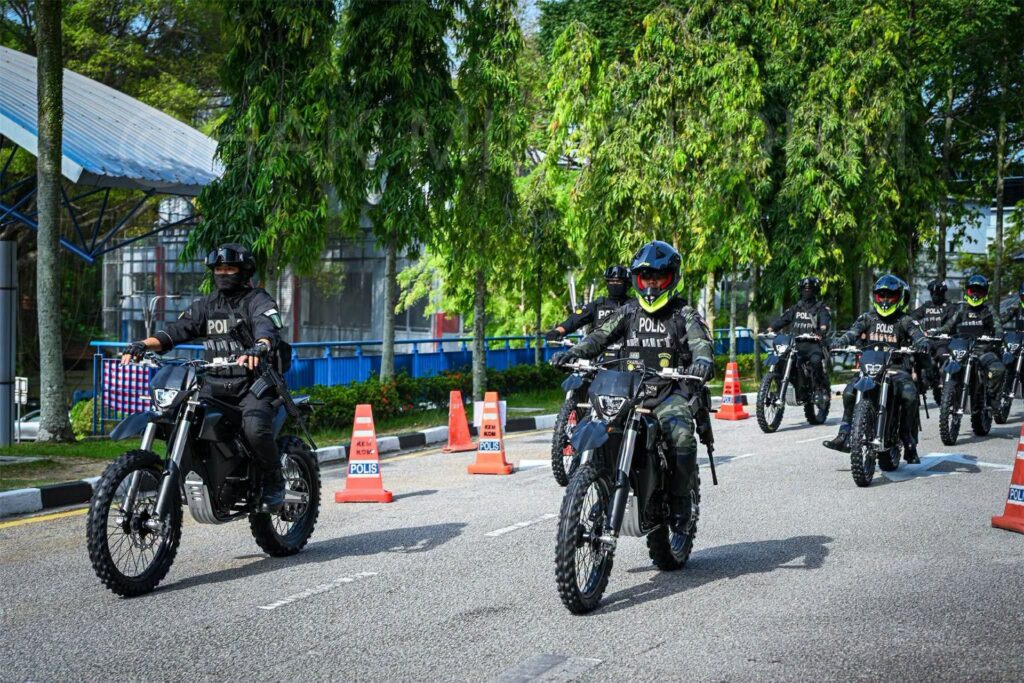
To cross this hurdle, the partner you choose must have extremely strict quality-control bottom lines of its own. TAIMU’s bottom line was earned by putting lives on the line: in July this year, they sent the factory mass-production version of the S300R straight into the Red Bull Romaniacs hard enduro, running through mud and rocks without changing a single bolt; after the race, they immediately fed defect data back into the production line, upgrading the EFI and reinforcing the brackets. At the just-concluded Dazu off-road race, this same factory team once again took one gold, one silver, and one bronze. The custom bikes born under this manufacturing system share the same underlying quality control validated by extreme racing and by the Royal Malaysia Police procurement.
Conclusion
The only solution for independent motorcycle brands to cross the vehicle manufacturing threshold is to recognize their own boundaries: leave limited funds and energy for brand building, user operations, and channel expansion, and hand the hardest, most exhausting work—chassis R&D, supply chain integration, and compliance certification—as a package to a reliable source factory.
TAIMUMOTO is currently opening this kind of deep OEM/ODM joint development globally. Your vehicle-building vision need not be limited by heavy assets and production lines. Bring your design drawings and target market requirements to Dazu, and leave the rest of the engineering execution to people who know the trade.